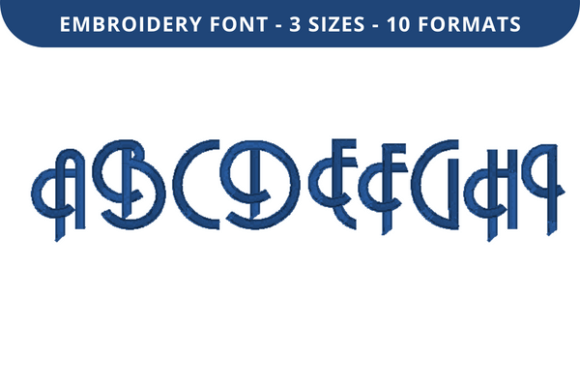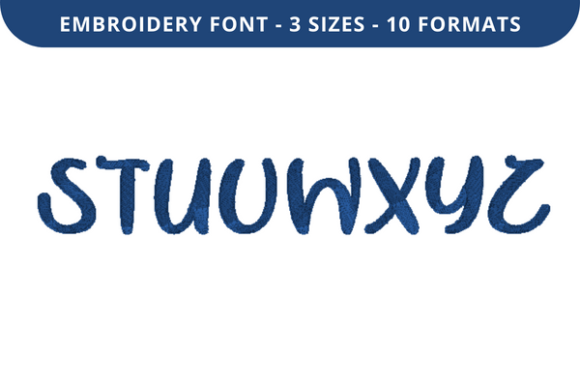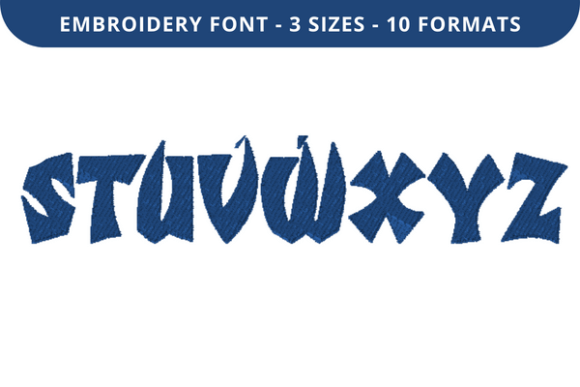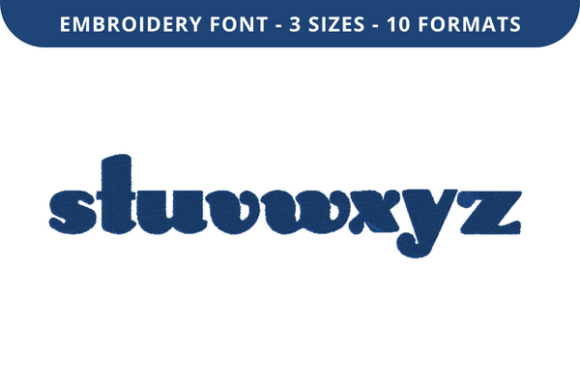
Harrington Font STU: Elegant Embroidery for Personalized Fabric
When you’re stitching names onto baby blankets, monogramming towels for a boutique launch, or adding heartfelt quotes to graduation caps, the font you choose does more than fill space—it carries tone, intention, and craftsmanship. Harrington Font STU is designed for that exact moment: when personalization meets precision in machine embroidery.
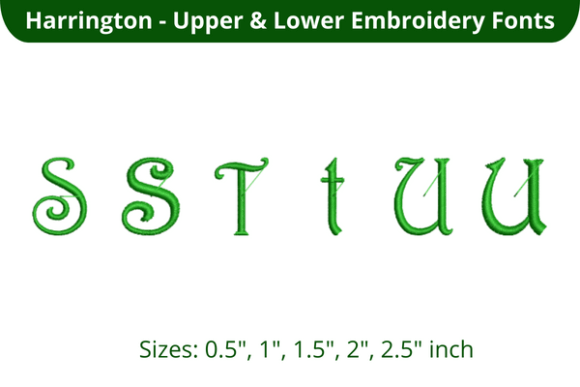
This isn’t just another script font converted for stitch files. Harrington Font STU is a high-quality embroidery font built from the ground up for clarity, consistency, and clean execution across fabric types—from lightweight cotton voile to structured denim and even textured terry cloth. Its balanced letterforms retain legibility at small sizes (as low as 0.5 inches tall), while its subtle serifs and graceful curves lend warmth without sacrificing structure.
Why Legibility Matters More Than You Think
Embroidery isn’t print. Threads shift. Fabrics stretch. Stabilizers compress. A font that looks beautiful on screen can become a tangled mess under the needle if it wasn’t engineered for stitch logic. Harrington Font STU accounts for this: spacing between letters is optimized to prevent thread jumps or overlapping stitches; descenders like “g” and “y” are shortened just enough to avoid puckering; and stroke widths stay uniform to ensure consistent density—no thin lines disappearing or thick ones overwhelming the fabric.
That’s why educators embroidering student name tags for classroom cubbies find fewer re-stitches. Why wedding entrepreneurs add dates to keepsake handkerchiefs with confidence. Why small-batch apparel makers apply it to sleeve cuffs or collar labels without adjusting tension settings mid-project.
Real-World Flexibility Across Machines and Projects
Harrington Font STU ships with multiple embroidery file formats—including PES, DST, EXP, JEF, VIP, and XXX—so it integrates smoothly whether you’re using a Brother Innov-is, Janome Memory Craft, Bernina 790, or commercial Tajima-compatible system. No conversion tools needed. No guesswork about compatibility.
This matters most when time is tight. Imagine preparing 30 custom tote bags for a corporate retreat: you load the design once, adjust size and thread color, and run batches across machines without reformatting. Or consider a freelance textile designer who collaborates with clients using different home machines—sending one set of files that works across platforms streamlines communication and reduces support requests.
Where Simplicity Meets Creative Control
Unlike decorative fonts that demand precise placement or complex layering, Harrington Font STU works as a true single-line, single-color embroidery font. You type your text, scale it, and stitch—no manual digitizing adjustments required for standard applications. That doesn’t mean it lacks nuance: the included uppercase and lowercase sets give flexibility for formal invitations (“Est. 2024”) or friendly apparel (“Made with love”). Numbers and basic punctuation (periods, commas, ampersands) are fully digitized and tested—not afterthoughts.
For bloggers documenting DIY projects or educators creating tactile learning aids, this reliability means less troubleshooting and more focus on storytelling, teaching, or brand expression. You’re not fighting the font—you’re using it to reinforce your message.
Who Benefits Most—and How
- Hobbyists and crafters appreciate how Harrington Font STU eliminates trial-and-error with satin-stitch fonts that often collapse at narrow points. It’s forgiving on beginner stabilizer choices and performs well even with basic tear-away backing.
- Small business owners (especially those selling personalized gifts, baby items, or event décor) use it to maintain visual consistency across product lines—e.g., matching fonts on onesies, bibs, and milestone blankets—without licensing complications or format mismatches.
- Educators and therapists rely on its clarity for sensory-friendly name tags, social-emotional learning prompts stitched onto fidget pillows, or classroom job charts where readability supports routine and independence.
- Freelance designers and makers value the cross-platform file suite when delivering assets to clients or manufacturers—no need to ask, “What machine do you use?” before sending files.
A Note on Fit and Realistic Expectations
Harrington Font STU excels in clean, classic applications—but it’s not intended for ultra-narrow ribbon work, dense metallic-thread embroidery, or extreme scaling beyond 0.4"–2.5" heights without testing. For very fine fabrics like silk organza, we recommend pairing it with a lightweight cutaway stabilizer and reducing stitch density slightly—details covered in the included PDF guide.
It also doesn’t include extended language characters (e.g., accented vowels for French or Spanish, Cyrillic, or Asian scripts). If your work regularly involves multilingual personalization, you’ll want to verify character coverage before committing to large orders. That said, for English-first use cases—names, dates, short affirmations, initials, and event titles—it covers the essential range thoroughly and thoughtfully.
Getting Started Without Overcomplicating Things
You don’t need advanced software to begin. Most modern embroidery editors (like Embrilliance, Hatch, or even Brother PE-Design Nano) open Harrington Font STU files directly. Type your text, select the desired size, and preview stitch count and estimated time before sending to your machine. Because the font is pre-digitized with optimized underlay and pull compensation, what you see in preview closely matches final output—even on curved surfaces like hat fronts or rolled hems.
Tip: For best results on knit fabrics, hoop with light spray adhesive and use a medium-weight tear-away stabilizer. On fleece or plush, add a layer of water-soluble topping to keep stitches from sinking into the pile. These aren’t unique to Harrington Font STU—but because its stitch logic is predictable, these standard practices yield consistently strong outcomes.
Beyond Decoration: A Tool for Meaningful Connection
Names stitched onto hospital gowns help patients feel seen. Dates on memory quilts anchor stories across generations. Short quotes on therapy cushions offer quiet reassurance. In each case, the font isn’t decorative filler—it’s part of the object’s purpose. Harrington Font STU supports that intention by staying out of the way: no distracting flourishes, no inconsistent spacing, no fragile details that fray after washing.
That reliability builds trust—not just in your craft, but in your ability to deliver something that lasts, both physically and emotionally. Whether you’re stitching for profit, passion, or purpose, choosing a font that behaves as expected gives you space to focus on what really matters: the person receiving the piece, the story behind the words, and the care embedded in every stitch.